

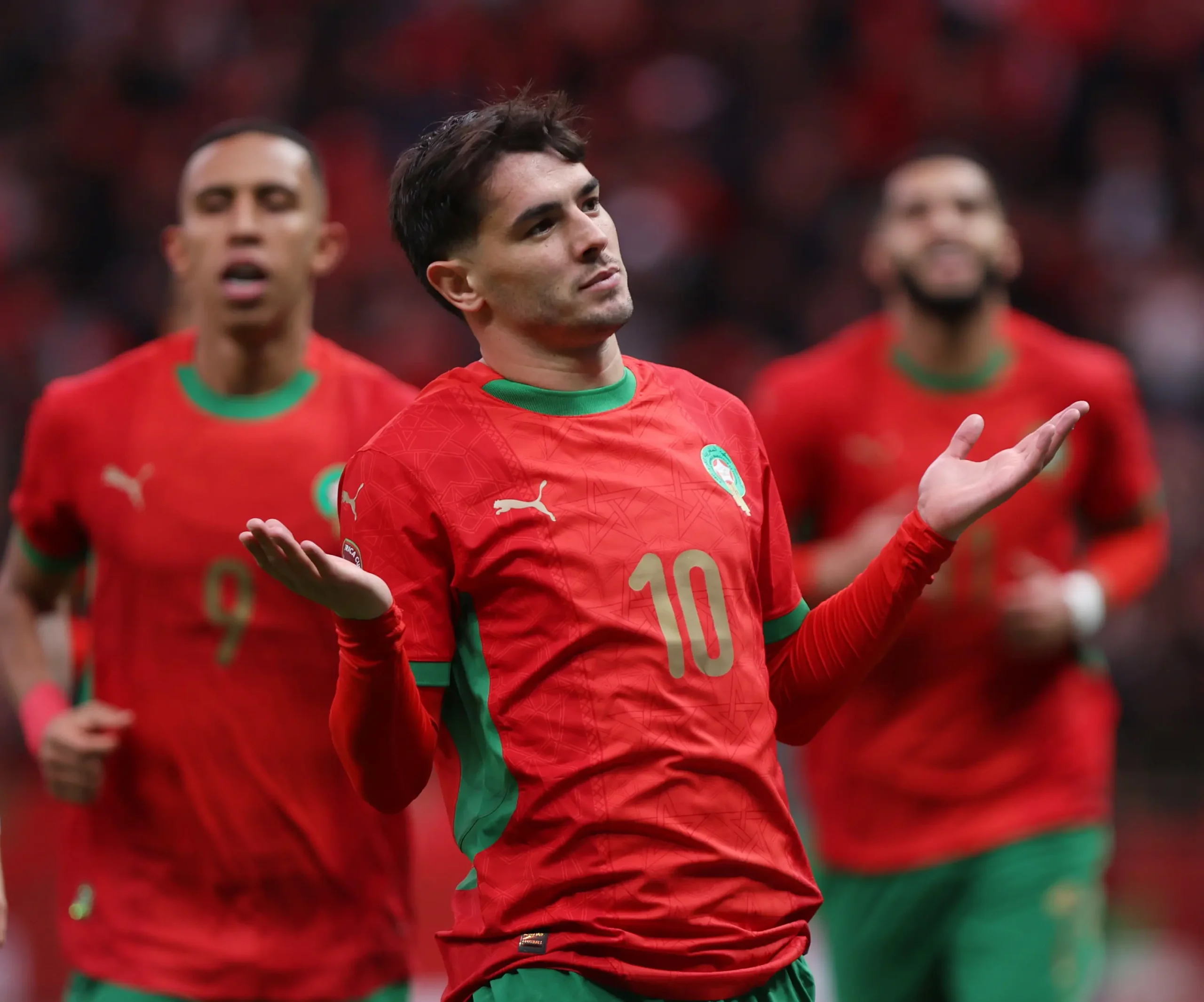
Morocco’s Grand Investment in African Football
Morocco’s hosting of the 2025 Africa Cup of Nations (AFCON) was about more than just football glory, it was a showcase of the kingdom’s heavy investments in sports and infrastructure. Over the past years, Morocco poured resources into modernizing its cities and stadiums in preparation for AFCON and beyond. In fact, the country has reportedly spent over $15 billion on infrastructure and urban development. From expanding high-speed rail lines and upgrading airports to building new world-class stadiums. This includes projects like the coming Grand Stade Hassan II in Casablanca, planned to be the world’s largest football venue at 115,000 seats. All these expenditures reflect Morocco’s strategy of using football as a vehicle for economic growth and international prestige. By hosting AFCON 2025, Morocco aimed to assert itself as a sporting hub and a “gateway to Africa” for global events. The tournament was considered by some people as a dress rehearsal for the 2030 FIFA World Cup (which Morocco will co-host with Spain and Portugal) – a test of the nation’s ability to deliver on big stages, with state-of-the-art facilities, efficient transport, and seamless organization. From renovated stadiums in Rabat, Casablanca, Tangier, and more, to the fast Al-Boraq trains shuttling fans (and teams) between cities, Morocco positioned AFCON 2025 as an “exemplary” event to underline its modernity.
This massive investment was not just for show; it was expected to yield economic returns. Organizers anticipated an influx of 600,000 to 1,000,000 visitors, translating into significant tourism revenue – estimates topped MAD 12 billion (over $1.1 billion) in additional income from travel and hospitality. Such numbers underscore how football and finance intertwined in this tournament: every goal scored under Morocco’s skies was also a goal for business sectors like airlines, hotels, and local vendors. The hope was that AFCON’s spotlight on Morocco would bolster its image as a stable, investment-friendly destination, creating a lasting legacy beyond the final whistle. Officials touted improvements in roads, airports and communication networks accelerated by the event, suggesting that the AFCON infrastructure boom could benefit Moroccans long after the cup was lifted. There is, of course, a caveat from history – previous hosts like Cameroon (AFCON 2022) saw short-lived economic boosts that faded after the tournament. Morocco’s challenge is to ensure these shiny new facilities don’t become white elephants but remain useful assets (plans exist to repurpose or regularly use arenas so they continue to generate value). In essence, Morocco bet big financially on AFCON 2025, confident that the pride and publicity of hosting – if managed well – would pay dividends both economically and in global stature.
The Business of AFCON: Facts and Figures
AFCON isn’t just Africa’s premier sporting event – it’s also a major financial enterprise. The 2025 tournament in Morocco underlined how much the business of African football has grown. According to CAF’s budget projections, AFCON 2025 was set to generate about $192.6 million in revenue. To put that in perspective, this single tournament accounts for the vast majority of CAF’s income for the year – an estimated 97% of CAF’s profit (after expenses and prizes) would come from AFCON 2025 alone. Where does this money come from? Primarily, big-name sponsors and broadcasting deals. Sponsorship was the largest piece of the pie: around $126 million of the revenue was expected from corporate partners. Over the past few years CAF has inked deals with global and regional brands, creating a tiered sponsorship program. For instance, TotalEnergies is the headline sponsor under an 8-year deal reportedly worth $250 million (inked in 2016), and 1XBet – a Russian-founded betting company – signed on for 10 years at about $65 million. Other official partners of AFCON 2025 included household names like Puma, VISA, Orange, Suzuki, and even institutions like the European Commission. The breadth of sponsors (from telecom and tech to airlines and apparel) shows that African football is attracting serious commercial interest.
Broadcast rights made up another $46+ million of revenue. CAF managed to secure TV deals covering over 30 European territories for this AFCON – a record reach for the tournament. This was boosted by the star power of African players in Europe; with hundreds of African internationals (especially from Senegal, Morocco, Nigeria and others) now in top European clubs, overseas fans and diasporas were keen to tune in. Ticket sales were comparatively smaller in the revenue mix (around $19 million), partly because prices are kept affordable for local supporters. Still, the packed stadiums – such as the 69,500-seat Stade Prince Moulay Abdellah in Rabat hosting the final – provided an electric atmosphere that no broadcast can replicate, while contributing to local business activity on match days.
On the expenditure side, one notable outlay is prize money. CAF increased the total prize pool by 40% compared to recent editions, reaching $32 million to be distributed to teams. The champions’ purse for 2025 was set at $7 million – a hefty reward, though still modest next to Europe’s tournaments (for comparison, Euro 2024’s prize fund was about $387 million, nearly 12 times AFCON’s). Senegal, as winners, would claim that $7 million prize, but Morocco and other top finishers also earned increased payouts to reward their progress. The growing money in AFCON is a double-edged sword: it provides much-needed funding to African federations and players, yet it also raises the stakes. With more to gain (or lose) financially, the pressure on teams to succeed is immense, something clearly on display during the tense finale in Rabat.
Fair Play vs. Fiasco: A Final Overshadowed by Controversy
The AFCON 2025 final was ultimately overshadowed by an incident that disrupted the closing moments of what had otherwise been a highly competitive and well-managed tournament. Following a late refereeing decision that awarded a penalty to Morocco after a VAR review, Senegal’s players and staff strongly contested the call. This led to an unprecedented situation in which the Senegalese team temporarily left the pitch, causing a stoppage of more than ten minutes during the most critical phase of the match.
While play eventually resumed and the match concluded, the episode drew swift reactions from CAF and FIFA officials, who emphasized that leaving the field of play undermines the integrity of the competition. Beyond the sporting controversy itself, the incident exposed a structural vulnerability: how quickly a high-stakes moment can escalate into a governance and image issue when existing protocols are put under exceptional pressure.
From a financial perspective, the timing of the incident was particularly sensitive. Tournament finals represent the most valuable commercial window for broadcasters, sponsors, and advertisers, with peak global viewership and maximum brand exposure. Any disruption at this stage risks diluting the premium positioning of the event, potentially affecting future broadcast negotiations, sponsor confidence, and the overall market perception of AFCON as a reliable flagship product.
Triumphs, Lessons, and the Road Ahead
Although Morocco did not lift the AFCON trophy, the tournament largely reinforced its position as a reliable, world-class event organizer. AFCON 2025 served as a strong demonstration of the country’s ability to host large-scale international competitions, a timely signal as preparations continue for the 2030 FIFA World Cup. With modernized stadiums, efficient security operations, and consistently high fan engagement across venues, the tournament showcased operational readiness and strong coordination. Aside from the final’s disruption, the overall narrative of effective organization and logistical execution remained intact, contributing positively to the competition’s global image.
From a financial standpoint, the benefits extend beyond short-term tourism revenues and global exposure. The infrastructure investments made in transport, stadiums, and urban development create long-term value for domestic football and sports tourism. The tournament also provided local businesses, service providers, and event professionals with valuable experience in managing high-demand international events, strengthening the ecosystem for future competitions. If these assets remain actively used, the return on investment will be measured not only in direct revenues but also in broader economic and social gains.
At the same time, AFCON 2025 highlighted the importance of governance and discipline in an increasingly commercialized football environment. As sponsorship values, broadcast audiences, and institutional interest continue to grow, moments of disruption carry heightened reputational and financial risks. Finals represent the peak commercial window of a tournament, and any loss of control at that stage can impact stakeholder confidence. Moving forward, stronger enforcement mechanisms and clearer crisis protocols will be essential to protect the credibility and market value of African football competitions.
Overall, AFCON 2025 illustrated both the progress and the challenges facing African football. The tournament confirmed that the continent’s flagship competition can combine sporting passion with growing financial relevance, while also reminding stakeholders that sustained success depends on balancing investment, professionalism, and sporting integrity.