

For 123 years, Real Madrid has been the property of its people. No sheikhs, no venture capitalists, no oligarchs—just 98,000 socios holding the keys to the biggest football club on earth.
But if the latest murmurs from the Santiago Bernabéu are to be believed, the fortress is about to lower its drawbridge.
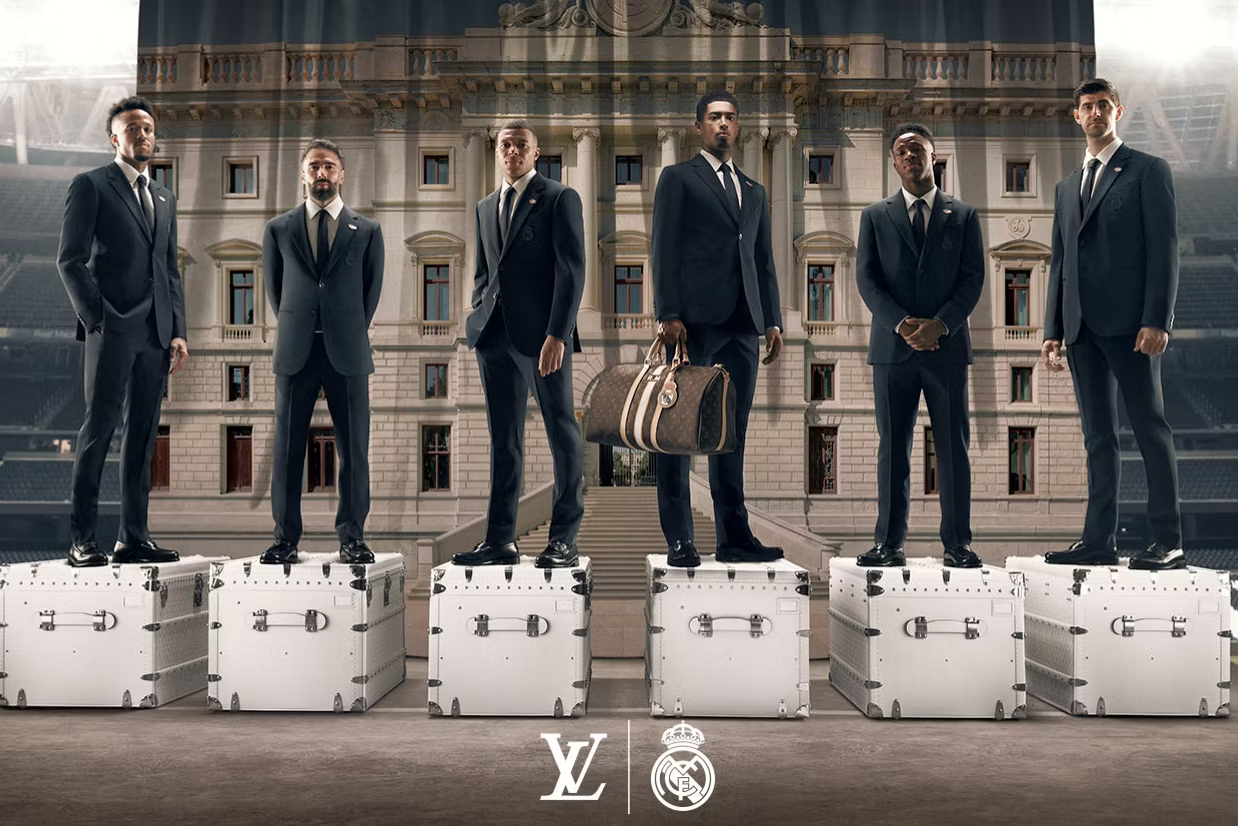
Following a confirmed sponsorship deal with Louis Vuitton earlier this year, reports are intensifying that Bernard Arnault’s LVMH is positioning itself to acquire a minority stake in the club’s commercial operations. This isn’t just a sponsorship; it is a potential equity injection that could fundamentally alter the most sacred ownership model in sports.
Is this the end of the socio dream, or the only way to save it?
The Deal: A « Luxury » Lever?
Unlike the panicked « levers » pulled by their rivals in Catalonia, this potential deal is a position of strength.
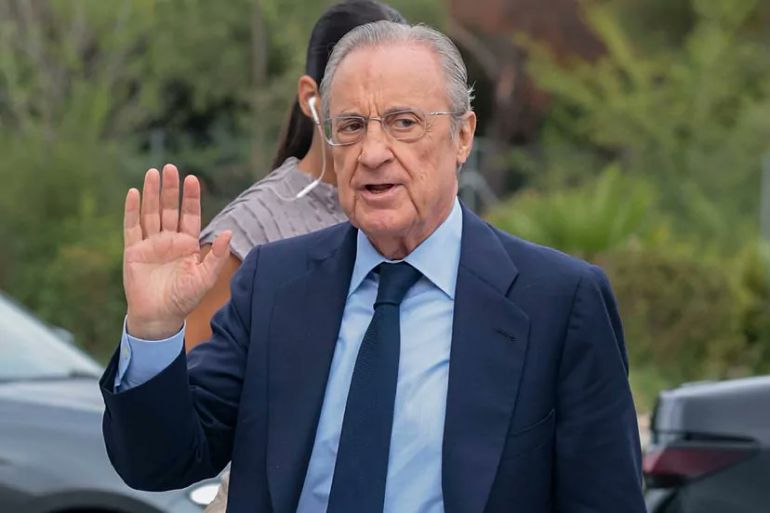
Florentino Pérez, the architect of the modern Galactico business model, is reportedly designing a structure similar to the German « 50+1 » rule, but strictly for a commercial subsidiary.
- The Structure: Real Madrid would spin off its business and commercial assets (merchandising, stadium exploitation, digital rights) into a new company.
- The Stake: LVMH (or a consortium led by Arnault) would acquire a 5% to 10% stake in this new entity.
- The Valuation: With Real Madrid valued at over €10 billion, a 10% stake could inject a staggering €1 billion in cash directly into the club’s coffers.
This is not a takeover. The socios would still own 100% of the football club and retain majority voting rights. But for the first time, a slice of the pie would belong to a corporate titan.
The Financial Case: Why Do It?
If Real Madrid is the richest club in the world, why do they need LVMH’s money?
The answer lies in the changing landscape of football finance. The club is no longer just competing with Manchester United or Barcelona; they are competing with nation-states.
- The Wage Bill War: Manchester City and PSG (and now Newcastle) operate with funding models that traditional revenue streams struggle to match.
- The « Super League » Void: With the Super League project stalled, Real Madrid needs a new mechanism to generate the capital required for the next generation of infrastructure and talent (e.g., the next Mbappé or Haaland).
- Asset Protection: Florentino Pérez has hinted that this move is also a defensive shield. By bringing in a powerful external partner like LVMH, the club creates a buffer against « external attacks »—whether from La Liga’s strict CVC deal or future regulatory shifts.
The Strategic Fit: The « Galactico » of Brands
From a branding perspective, this marriage is almost too perfect.
Real Madrid has always positioned itself not just as a football team, but as a global luxury brand. They don’t just sell jerseys; they sell glory. LVMH, the parent company of Louis Vuitton, Dior, and Tiffany & Co., is the master of monetization.
What LVMH brings to the table:
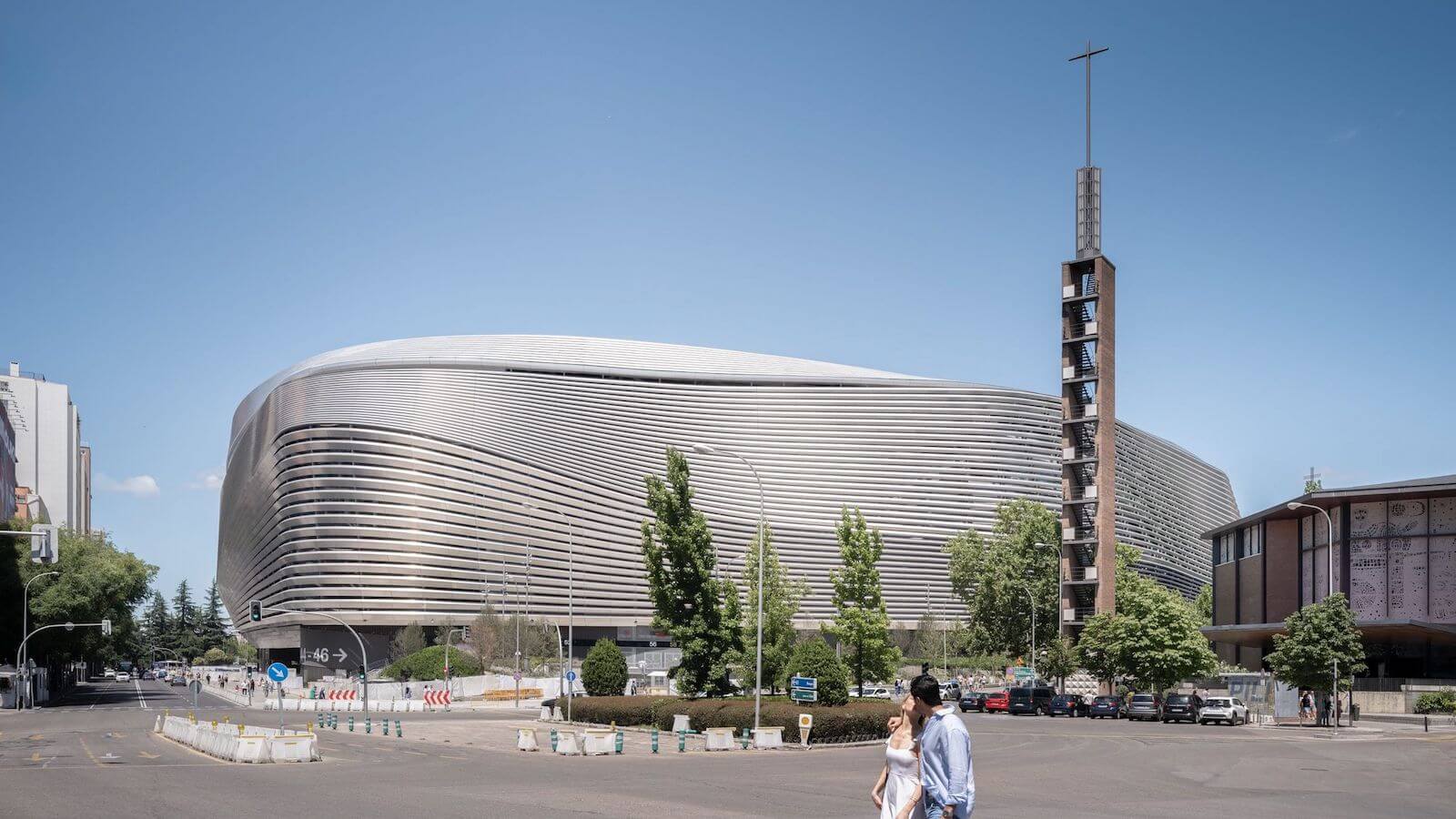
Retail Excellence: LVMH could revolutionize Real Madrid’s merchandising, turning the new Bernabéu store into a high-end retail destination rivaling the Champs-Élysées.
Travel & Lifestyle: With the Louis Vuitton travel collection for the team already launched, the next step is deeper integration into the luxury lifestyle sector—hotels, private member clubs, and high-end hospitality packages at the stadium.
Global Reach: LVMH’s grip on the Asian and North American luxury markets provides a direct pipeline for Real Madrid to monetize their casual fanbase in those regions more effectively than any traditional sponsor could.
The Socio Dilemma: Business vs. Soul
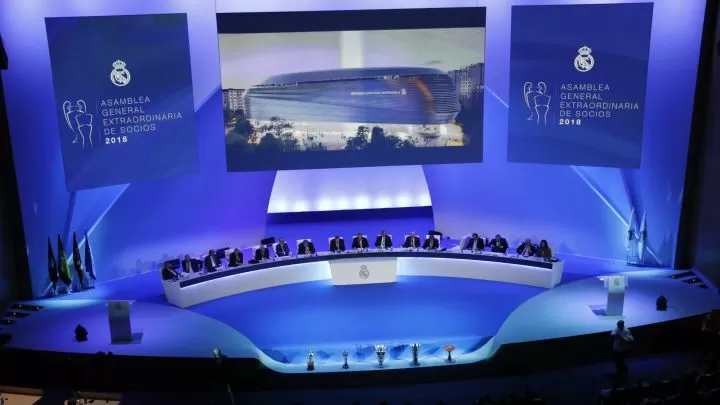
This is the friction point. For the traditional socio, this deal is a Trojan horse.
The fear is valid: Once you let private equity in, do you ever get them out? Today, it’s 10% of a commercial subsidiary. In ten years, could it be 25%? Does LVMH eventually demand a seat on the board? Does the pursuit of shareholder value (ROI) start to conflict with the pursuit of trophies?
The socio model relies on the premise that every euro earned is reinvested into the squad. An external investor, by definition, will eventually want to take some money out (dividends).
Florentino’s counter-argument is pragmatic: « To remain the King, we must be rich. » He argues that without this structural change, the socio model will eventually suffocate under the financial weight of state-backed competitors, forcing the club to convert into a standard PLC (SAD) anyway.
Conclusion: The Evolution of the Super Club
If this deal goes through, it signals the final transition of football clubs into entertainment conglomerates.
Real Madrid x LVMH wouldn’t just be a partnership; it would be the creation of the world’s first true Luxury Sports House. It secures the club’s financial future and protects the socios from losing control entirely, but it comes at the cost of purity.
The socios will likely vote « Yes, » not out of love for private equity, but out of fear of irrelevance. In the end, they may decide that selling a small piece of the soul is a fair price to pay to keep the crown.