

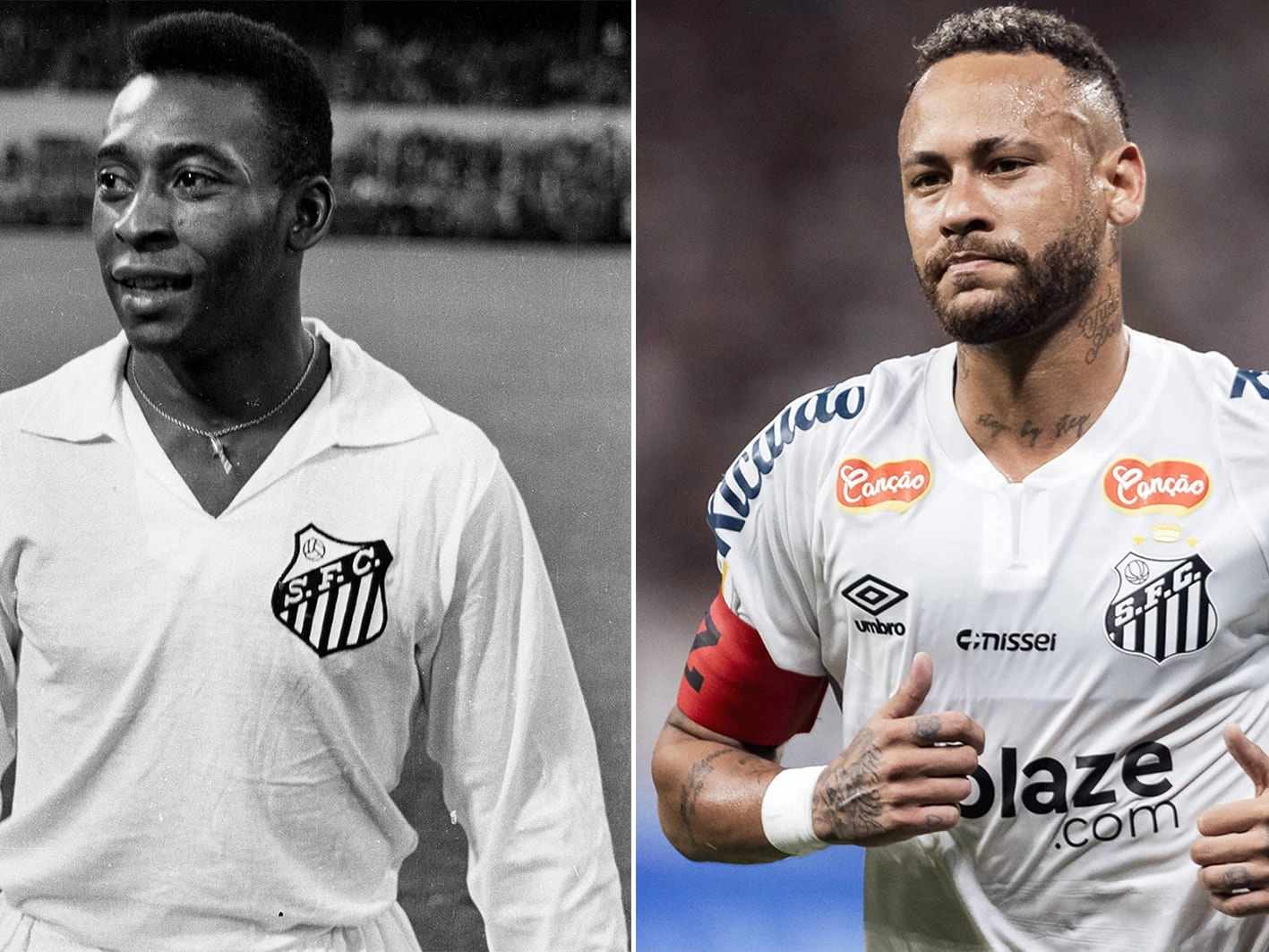
In the traditional world of football finance, players make money, and agents or clubs manage the rights. But the modern footballer is evolving into a corporation. The latest evidence? A reported €15.5 million deal that sees Neymar’s family business acquire the global rights to the name, image, and brand of the late, great Pelé.
This isn’t just a purchase of nostalgia; it is a signal that the « athlete-investor » model is shifting from buying real estate and tech stocks to acquiring the most valuable asset in sports: Intellectual Property (IP).
The Deal: Buying the « King’s » Crown
The transaction, valued at approximately €15.5 million, transfers the stewardship of Pelé’s commercial identity to the Neymar family. In financial terms, this is an acquisition of a « legacy asset. »
Pelé’s brand is not dormant; it is a global engine. The rights likely cover:
- Licensing & Merchandising: Video games, apparel, and memorabilia.
- Archival Content: Documentaries, digital storytelling, and media production.
- Brand Association: Using Pelé’s likeness for commercial partnerships.
By bringing this in-house, Neymar’s team is betting that they can activate these assets more effectively than a traditional investment fund or a faceless corporate estate.

The Business Case: Why IP is the New Real Estate
Why spend €15.5 million on a retired (and deceased) player’s image? Because in the modern digital economy, narrative is currency.
Players today are acutely aware of their own Image Rights—often the stickiest point in contract negotiations with clubs (as seen with Kylian Mbappé and Real Madrid). Neymar’s team is taking this a step further. They are moving from protecting rights to investing in them.
There is a clear commercial strategy here:
- Global Recognition: Pelé is one of the few true global icons, recognized in markets from all over the globe.
- Content Creation: With the rise of streaming platforms and digital media, the demand for sports history and storytelling is at an all-time high.
- Synergy: Neymar’s existing commercial infrastructure can easily integrate Pelé’s brand, creating cross-promotional opportunities that would be impossible for separate entities.
The « King and Prince » Premium: The Value of Authenticity
While the numbers make sense, the intangible value of this deal is what makes it unique. In the world of marketing, authenticity drives revenue.
If a Wall Street private equity firm bought Pelé’s rights, it would be viewed as a commodification of a legend. But Neymar buying Pelé’s rights? That is a story.
- The Santos Connection: Both legends emerged from Santos FC.
- The Lineage: Pelé was « The King » (O Rei); Neymar was dubbed « The Prince » (O Príncipe).
This creates a « Succession Narrative » that marketing teams dream of. It keeps the legacy rooted in Brazilian football culture rather than handing it off to a diversified corporate portfolio. This authenticity allows for a premium on branding. Fans are more likely to engage with products or content endorsed by a spiritual successor than a disconnected holding company.
A New Era of Athlete-Led Ownership?
This deal could set a precedent for how sporting legacies are managed. We are moving away from the era where players retire and hope their agents managed their savings well. We are entering an era where top-tier athletes operate as media conglomerates.
By acquiring Pelé’s Intellectual Property, Neymar’s family is proving that the most capable custodians of football history might be the footballers themselves. It is a move that balances cold, hard business logic with a genuine reverence for the game.
If handled with care, this €15.5 million investment won’t just generate returns; it will redefine what it means to « own » a legacy in football.
Key takeaways
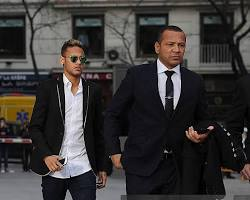
The Valuation: Neymar’s family business (NR Sports) acquired the global rights to Pelé’s brand for approximately €15.5 million ($18m), proving that legacy IP is a high-value asset class.
The Strategic Shift: This moves the « athlete-investor » model beyond real estate and tech into Intellectual Property, where players now manage the history of the sport itself.
The « Santos Synergy »: The deal leverages the unique « King and Prince » narrative—two Santos FC icons, two puma ambassadors —creating authentic storytelling opportunities that corporate funds cannot replicate.
The Future: This transaction sets a precedent for how retired legends’ estates are managed, suggesting a future where top players act as media conglomerates rather than just ambassadors.