

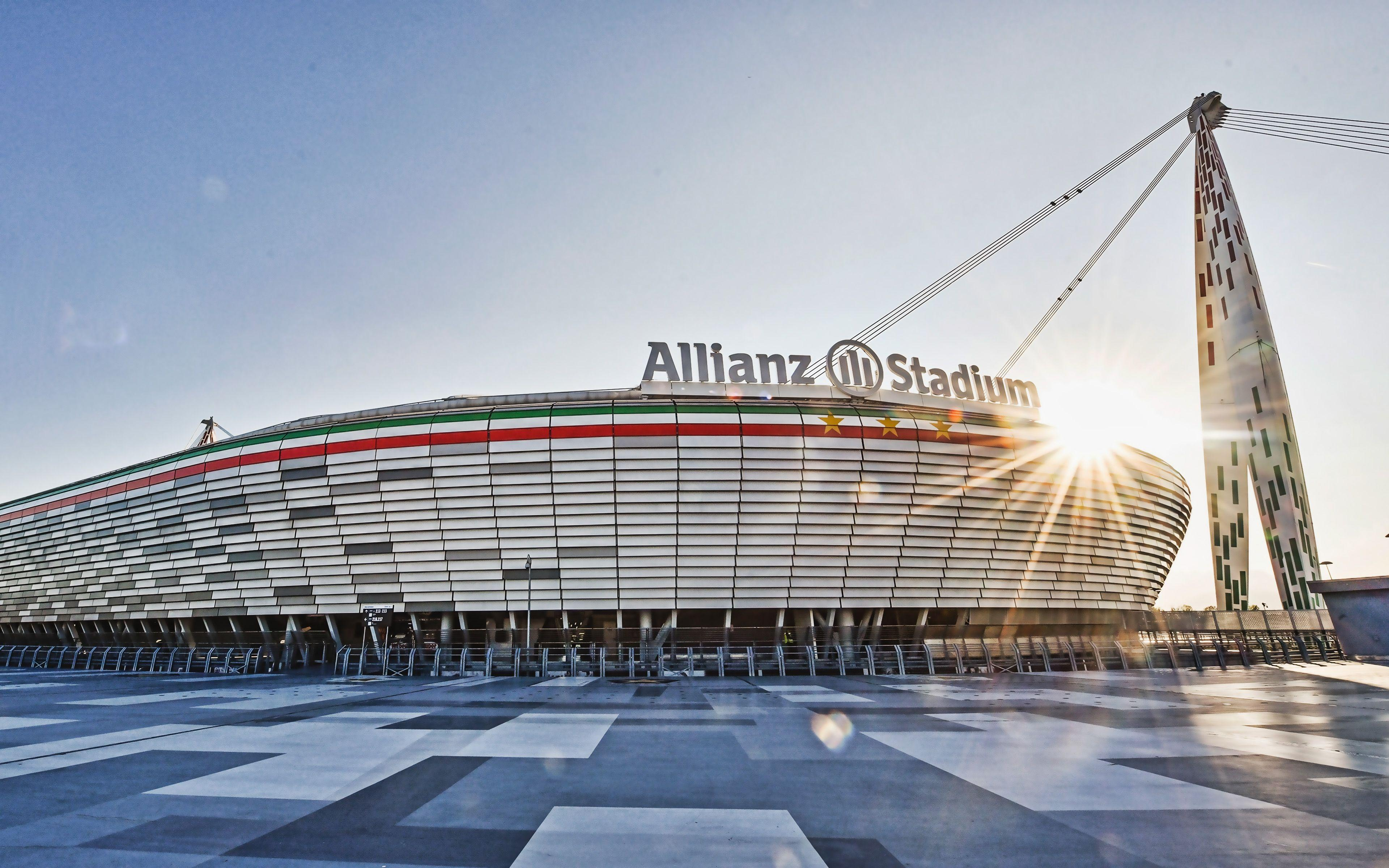
Juventus just reported a €2.5 million loss. The number looks small. The story behind it isn’t.
On the surface, it looks almost manageable. A €2.5 million half-year loss, an €11.1 million operating profit, a wage bill that’s actually been trimmed. For a club that burned through €199 million in a single season just two years ago, you could almost read the latest Juventus numbers as progress.
But read the detail, and a more uncomfortable picture emerges. One that isn’t about a bad transfer window or a difficult fixture list. It’s about the structural architecture of how Juventus generates money and whether that architecture is fit for the era the club wants to compete in.
The Transfer Crutch
To understand Juventus’ finances, you first need to understand how dependent they’ve become on one very specific lever: selling players.
In the first half of 2024/25, Juventus posted a €16.9 million profit. A year later, that flipped to a €2.5 million loss. The primary explanation for the €19 million swing? A €25.3 million drop in revenues from player trading. That’s it. Not a sponsorship collapse, not a broadcasting catastrophe, just one fewer profitable player sale, and the entire bottom line reverses.
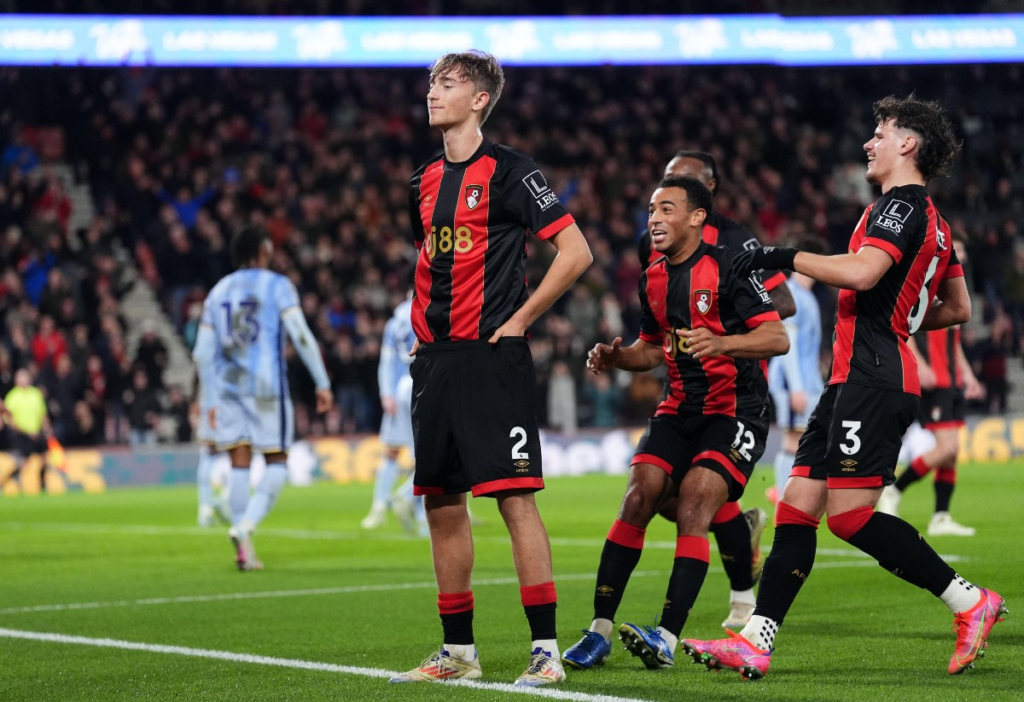
This is the transfer crutch in action. When the pipeline flows: Soulé to Roma, Huijsen to Bournemouth, Fagioli to Aston Villa; the P&L looks healthy. When it doesn’t, the underlying weakness is exposed. And the underlying weakness is this: Juventus’ core operating revenues, stripped of player trading, have consistently not been enough to cover their cost base.
The numbers bear this out over time. Since 2017/18, Juventus have accumulated nearly €1 billion in losses, that’s eight consecutive years in the red now. Exor, the Agnelli family’s holding company, has injected €603 million in capital over that period just to keep the equity structure from collapsing. A further recapitalisation of up to €110 million was approved in late 2025, with Exor already advancing €30 million ahead of the formal process. That’s a controlling shareholder functioning less like an investor and more like a permanent life-support system.
What the Amortisation Wall Tells You
There’s a second number in the half-year report that deserves more attention than it gets: amortisation, which climbed to €74.4 million in the first half alone.
Amortisation in football is the annual accounting cost of spreading a player’s transfer fee across the length of their contract. It’s a non-cash charge, it doesn’t drain the bank account today, but it represents real commitments made in the past, and it constrains what you can spend in the future. A €74.4 million half-year amortisation charge means Juventus are carrying approximately €150 million in annual player depreciation. That is a structurally heavy cost base, and it doesn’t shrink without either running down contracts, selling players, or both.
This is the amortisation trap. To reduce it, you sell players, which temporarily flatters the P&L through trading profits, but then you need to replace them, which restarts the amortisation clock. Round and round. The only way to escape it sustainably is to grow the revenue base fast enough that amortisation becomes a smaller proportion of the whole. And that means building commercial revenues that don’t depend on what happens on a Thursday night in Turin.
The Commercial Green Shoot
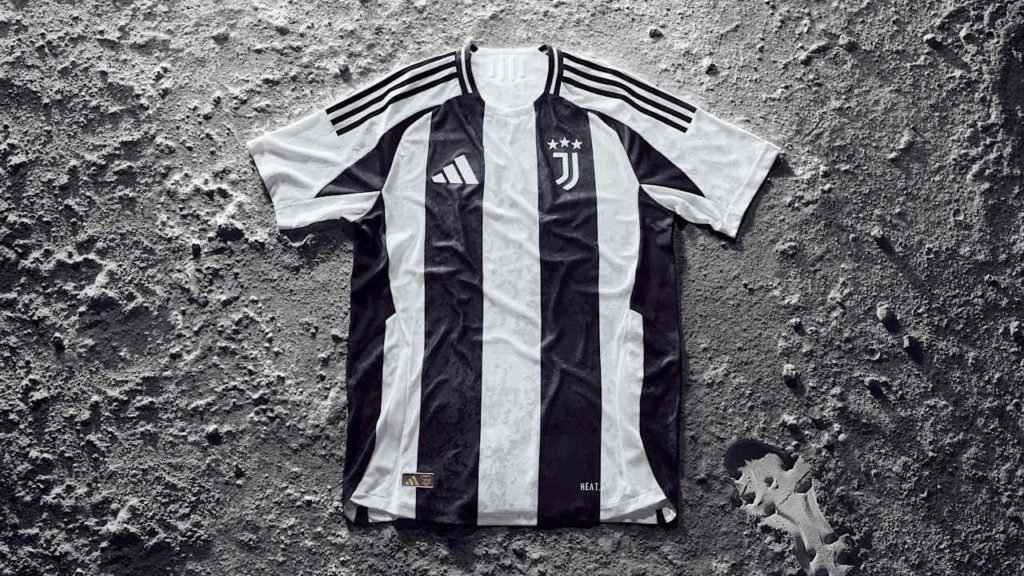
Here’s where the report does contain something genuinely encouraging. Sponsorship and advertising revenues rose by €15.1 million year-on-year, reaching €63.3 million for the half. That growth came from the renewed Adidas kit deal — a 12-year agreement worth €408 million in total through to 2036/37 — and an extended Jeep shirt sponsorship running to June 2028 worth €69 million.
These are not small numbers. A long-term Adidas commitment of that scale signals real belief in the Juventus brand globally, and the Jeep extension, while modest, provides revenue floor stability. For the full year 2024/25, commercial revenues actually dropped temporarily to €115.9 million due to delayed sponsorship renewals — but those deals are now locked in, meaning the commercial line should normalise and grow from here.
The direction is right. The question is pace.
According to the Deloitte Football Money League 2026, commercial revenue now represents 43-48% of total income at the top European clubs — and in some cases exceeds broadcast income entirely. Manchester City, Real Madrid, and Bayern Munich all sit in that bracket. For Juventus, commercial revenues as a share of total income remain significantly lower, partially shielded by player trading profits that distort the picture. Strip those out, and the commercial gap to the true elite becomes more visible.
The UEFA Shadow
Hanging over all of this is a regulatory question that hasn’t been fully resolved. UEFA has opened a documentation review into whether Juventus complied with loss limits under its Financial Sustainability Regulations across the three-year period 2022-2025. The permitted cumulative loss threshold is €60 million over three years. Juventus’ cumulative losses over that window run considerably higher.
The club’s management has been careful in its language — describing potential sanctions as « modest » and « not an open procedure » — but the risk of transfer registration restrictions in UEFA competitions is real if a violation is confirmed. For a club whose entire financial recovery depends on Champions League participation, that would be a serious blow. The review is expected to conclude in spring 2026.
Exor’s Dilemma
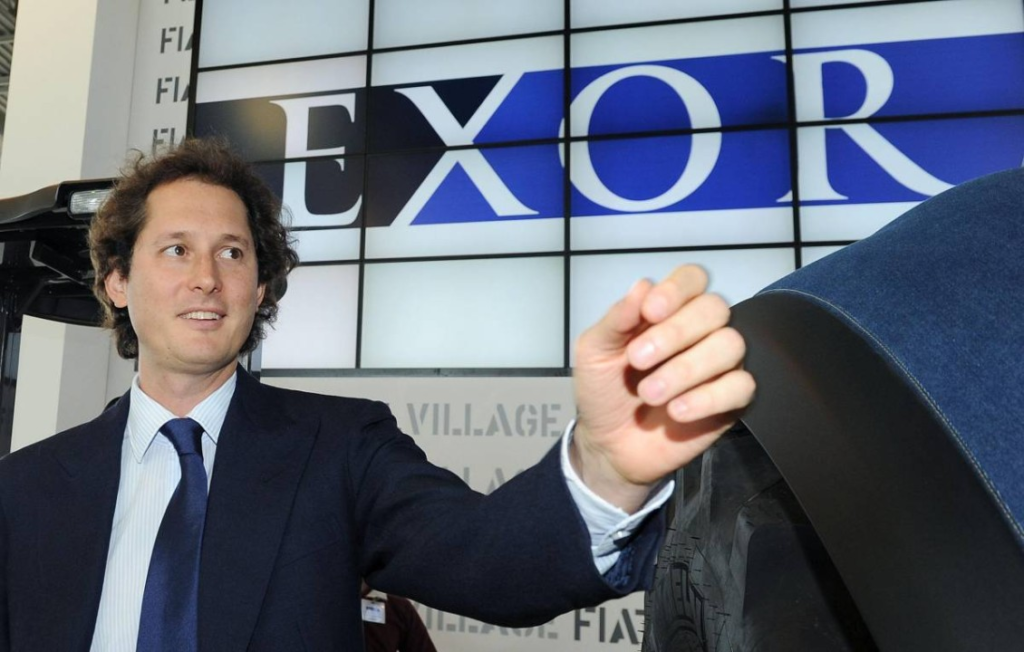
The deeper question that Juventus’ numbers raise is one that applies to the Agnelli family as much as to the club itself: what is the endgame here?
Exor has now committed over €600 million to Juventus since 2019, on top of the ongoing losses. John Elkann has been unambiguous — « we are not selling » — and his letter to Exor shareholders this year framed the commitment in almost dynastic terms, describing a century-long family connection to the club. That loyalty is genuine. But loyalty doesn’t resolve a structural P&L problem.
The strategic plan targets break-even by 2026/27. That is possible — but only if Champions League participation is maintained, if the new sponsorship base holds, if player trading contributes again, and if no significant UEFA sanctions land. That’s four conditions, all of which need to be true simultaneously. Remove any one of them, and the timeline slips.
The CashOnThePitch Verdict
Juventus is not in crisis. But it is at a crossroads that most mainstream coverage consistently underplays.
The €2.5 million loss is almost irrelevant as a standalone figure. What matters is what it reveals: a club that has not yet built the commercial architecture to sustain its cost base without a constant stream of player sales and owner capital injections. Every year the transfer market delivers, the underlying structural gap gets papered over. Every year it doesn’t, the numbers tell the truth.
The Adidas and Jeep renewals are the most important sentences in the entire half-year report — more important than any line about wages or amortisation. They are the first visible evidence that Juventus is building something more durable underneath the trading volatility. Whether they can close the commercial gap to the real elite before the UEFA auditors, the amortisation wall, or the next bad transfer window catches up with them — that is the actual race Juventus is running right now.
And unlike the Champions League, there is no extra time.